A United Methodist church in Xenia, OhioJoin us Sunday at 10:30 am

FAITH COMMUNITY UNITED METHODIST CHURCH

Rooted in faith.
At home in Xenia.

Connecting with God and one another. Caring for people. Serving our neighbors.

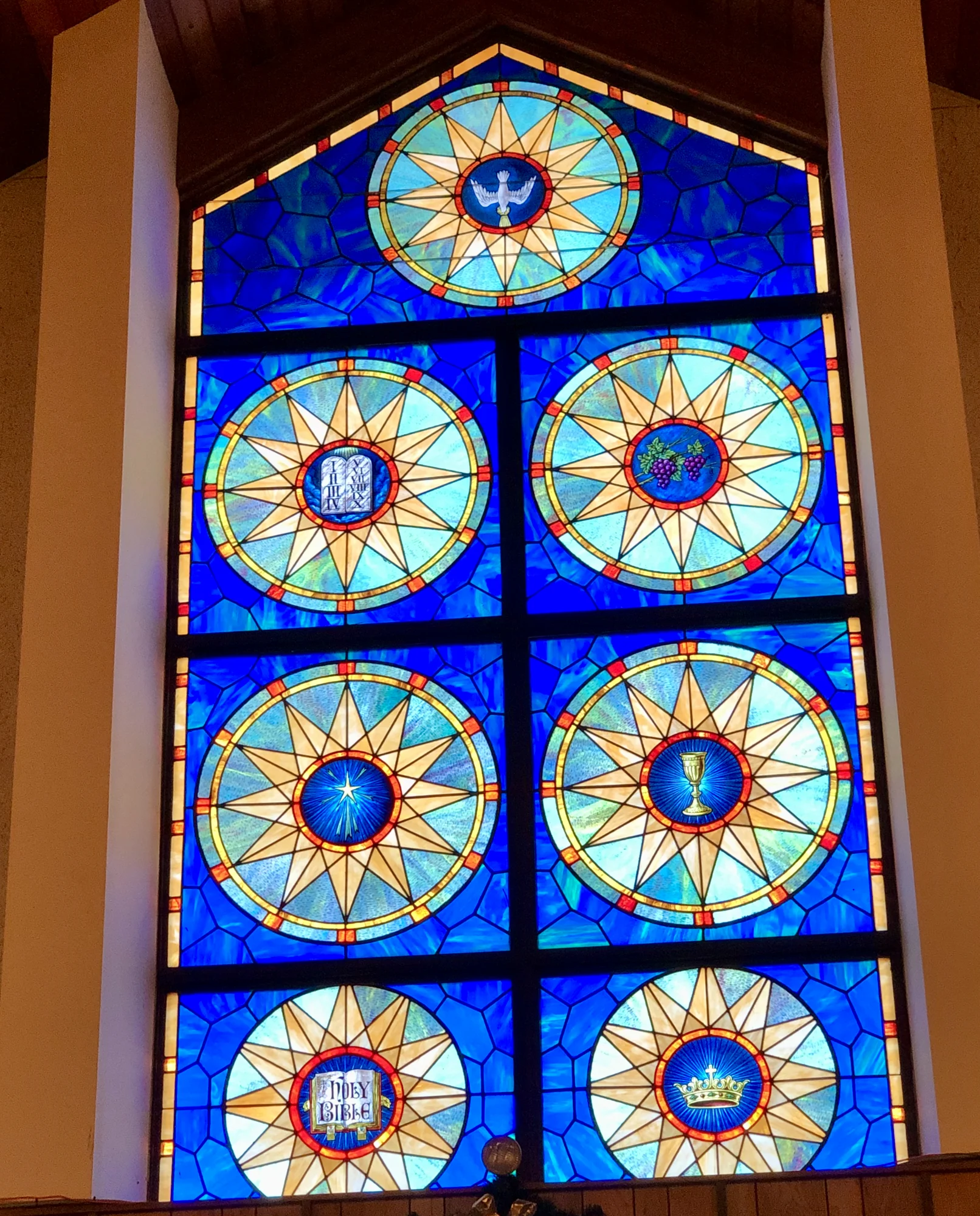
Faith Community’s stained glass depicting symbols of the Christian faith

OUR LIFE TOGETHER

A community
shaped by grace.

We gather around Jesus’ invitation to love God and love people. Through worship, learning, care, and service, we seek to put that faith into practice.

As a United Methodist congregation, we are part of a wider church rooted in grace and a commitment to serving others.

Explore United Methodist beliefs

OUR STORY

Many generations.
One shared faith.

From Xenia’s early Methodist gatherings to Faith Community today, our story is one of growing, joining together, and serving our neighbors.

  1. 1803–1804

    A cabin and the roots of local Methodism

    Frederick Bonner settled about two miles south of Xenia in 1803 and built a cabin. Samuel W. Williams’ Pictures of Early Methodism in Ohio records that his home became a regular preaching place in 1804, served by John Sale and Joseph Oglesby. Worship continued there until a log meetinghouse was erected in 1809 near the later Union Chapel.

    This cabin belongs to the story of the Bonner Society and Union congregation—part of the area’s wider Methodist roots. The account does not establish that First Methodist’s 1808 gatherings took place there.

    Williams, pages 85–86 ↗ · Ohio historical marker: Union Meeting House ↗
  2. 1808

    Methodist roots in Xenia

    Xenia appears in a Mad River Circuit record dated June 19, 1808. John Sale was presiding elder; Thomas Milligan and James Davidson were the circuit preachers. Greene County Archives credits Frederick Bonner, a Methodist from Virginia, with the congregation’s beginnings. These early gatherings preceded a permanent church building.

  3. June 23, 1813

    Organizing a congregation and a home

    Robinson’s county history records formal organization under Rev. Benjamin Lakin, with Solomon Langdon also serving the circuit. Trustees included Frederick Bonner and James Towler. Worship continued in private homes while the trustees purchased town lot 151 from Towler for $30 and planned a meetinghouse.

  4. August 28, 1816

    The first documented meetinghouse

    After several years of work, trustees accepted the building from Mills Edwards. Plans called for a 30-by-40-foot brick church on a stone foundation. In 1817, caretaker Edward Wamble earned $10 for the year and collected small contributions for candles. The earliest documented church building was brick; a particular 1808 cabin meeting place remains unverified.

  5. 1832–1833

    A season of growth

    Robinson’s history describes revival meetings that continued from before Christmas into spring. It reports 300–400 people joining the church, with some traveling 20–30 miles to attend.

  6. 1836

    A resident pastor for First Methodist

    The congregation became able to support a resident minister. Rev. A. Brown—identified as Azra Brown by Greene County Archives—was appointed in 1836, ending its dependence on a shared circuit appointment.

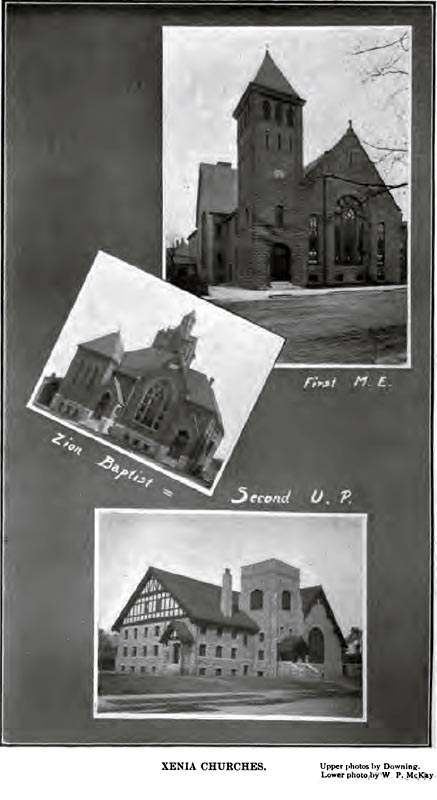
    First Methodist Episcopal Church in Xenia, pictured in 1908
    First Methodist Episcopal Church, pictured in 1908. Detail from a historic church plate. Historical source ↗
  7. 1840s

    Building again

    The original meetinghouse was replaced during the 1840s. While construction proceeded, the congregation worshiped in the Methodist Protestant church on Church Street. Bishop Morris dedicated the replacement during Rev. William Herr’s pastorate.

  8. 1849

    Caring through an epidemic

    During Xenia’s cholera epidemic, Pastor Charles Elliot visited homes to care for the sick and dying. Robinson’s account preserves this example of ministry reaching beyond the church building.

  9. 1864–1865

    Trinity grows from First Methodist

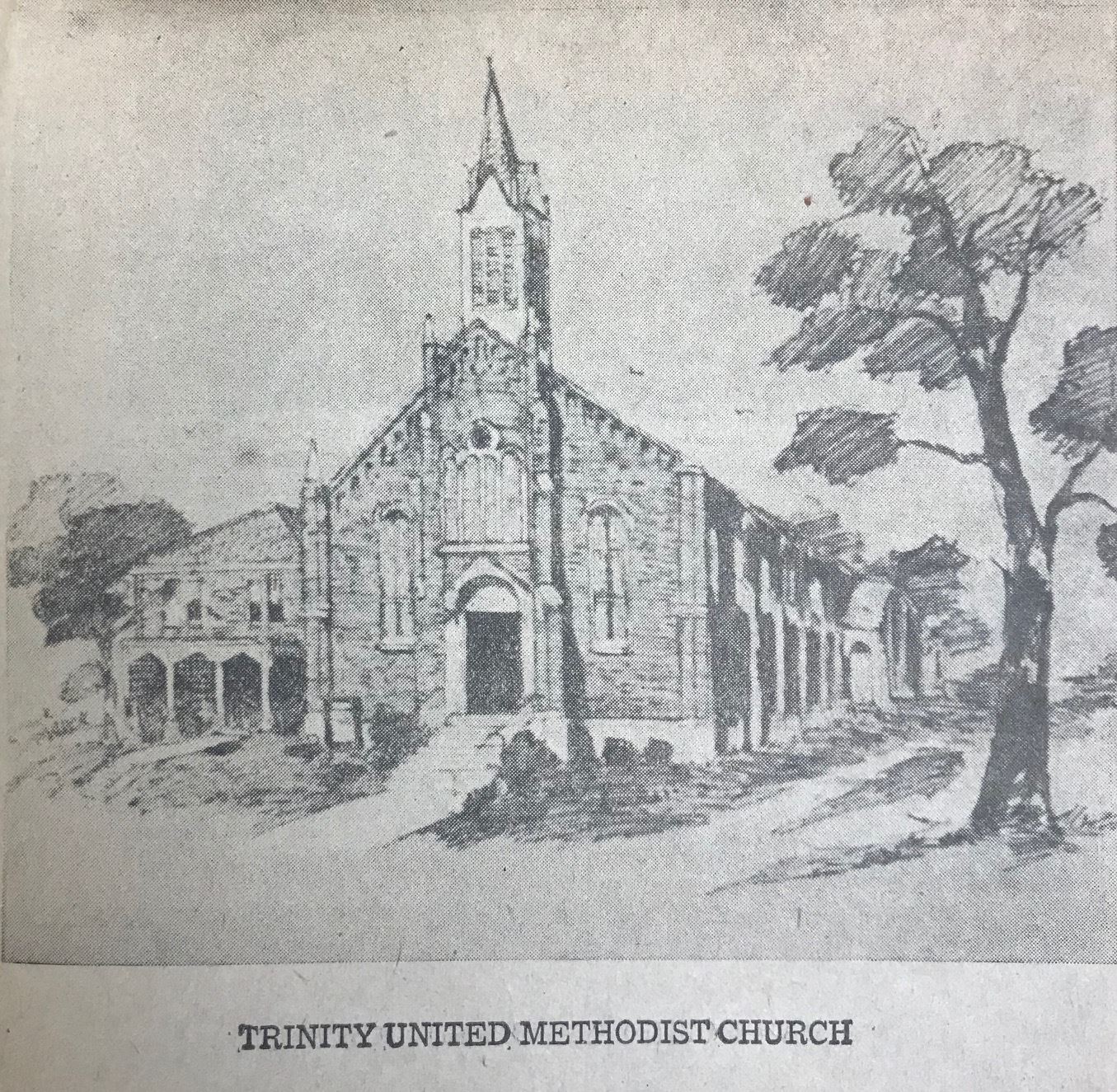
    As First Methodist grew, a second congregation took shape. Trinity’s cornerstone was laid at Main and Monroe Streets on May 14, 1864. Rev. George C. Crum became its first pastor.

    On September 25, 1864, about 100 worshipers gathered in the Xenia Female College chapel. By November, services were being held in the new church’s lecture room. The completed church was dedicated on October 1, 1865.

    Historic image of Trinity Methodist Church at Main and Monroe Streets in Xenia
    Trinity at Main and Monroe Streets. Image: Xenia Daily Gazette, reproduced by Greene County Archives ↗.
  10. 1908

    A century of Methodist life

    First Methodist celebrated its centennial during Xenia’s Home-Coming. The 1908 county history describes more than 800 members at First and about 350 at Trinity. It also records Trinity’s charitable giving—approximately $1,000 in the preceding year—showing service as part of its congregational life.

  11. 1968

    A United Methodist family

    The Methodist and Evangelical United Brethren denominations united. First and Trinity became United Methodist congregations.

  12. 1969

    Conversations about a shared future

    First and Trinity began merger discussions. They had continued to share special services and events through the years; now they considered becoming one congregation again.

  13. June 12, 1970

    Two congregations become Faith Community

    First Church and Trinity Church joined together as Faith Community United Methodist Church, bringing their shared roots into a new chapter.

  14. September 1972

    A new home. A living heritage.

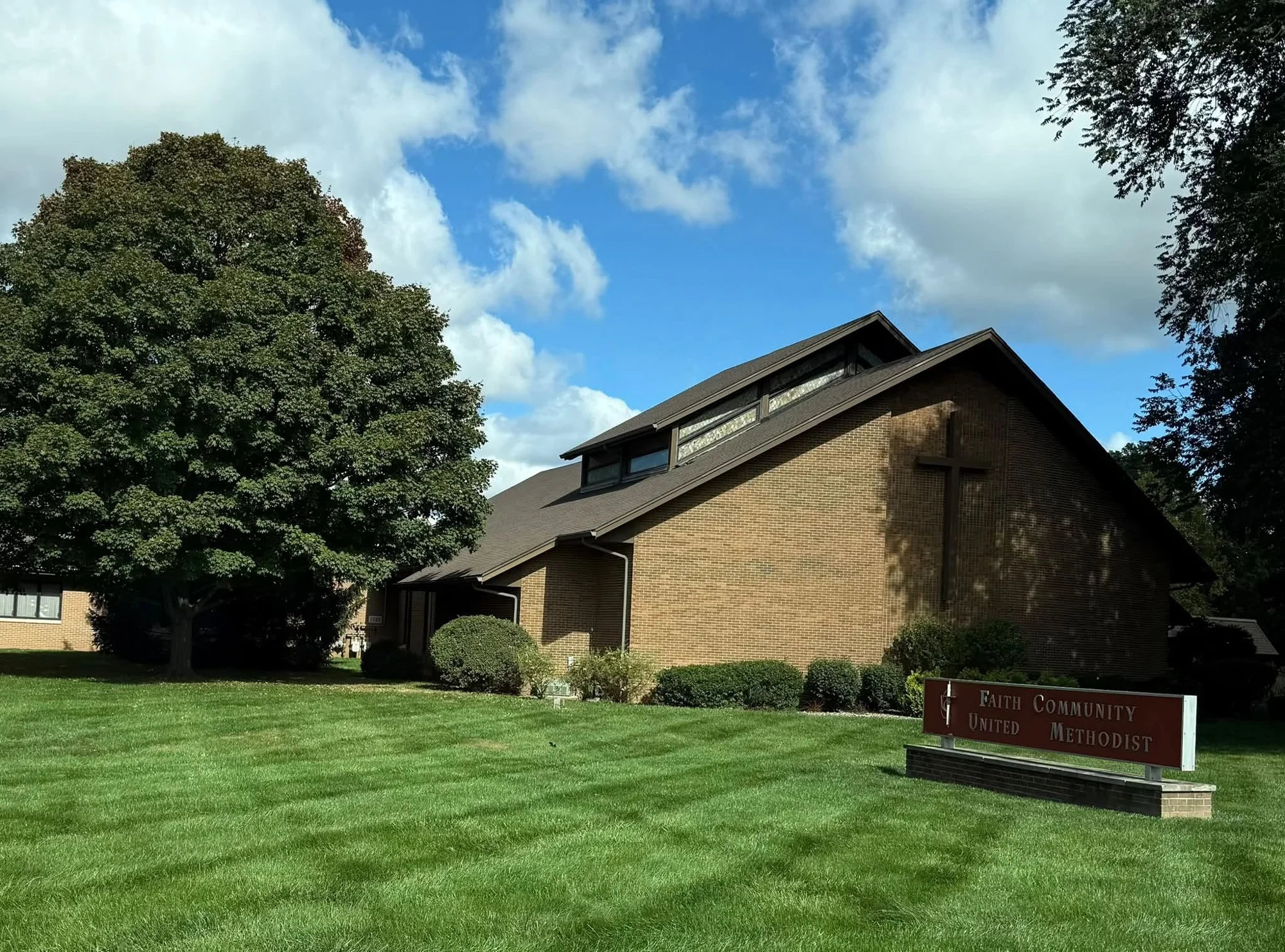
    The united congregation moved into a new home at 100 Country Club Drive. Trinity was razed in 1972 after earlier wind damage to its steeple and concerns about the building’s future.

    Trinity’s stained glass and First Church’s pipe organ were preserved at Faith Community. The new sanctuary carried tangible reminders of both congregations into their shared future.

    Faith Community United Methodist Church at 100 Country Club Drive in Xenia
    A present-day view of the church built in 1972.
  15. Today

    The story continues with us

    We continue to worship, grow, care, and serve together—a safe space for exploring faith and building community.

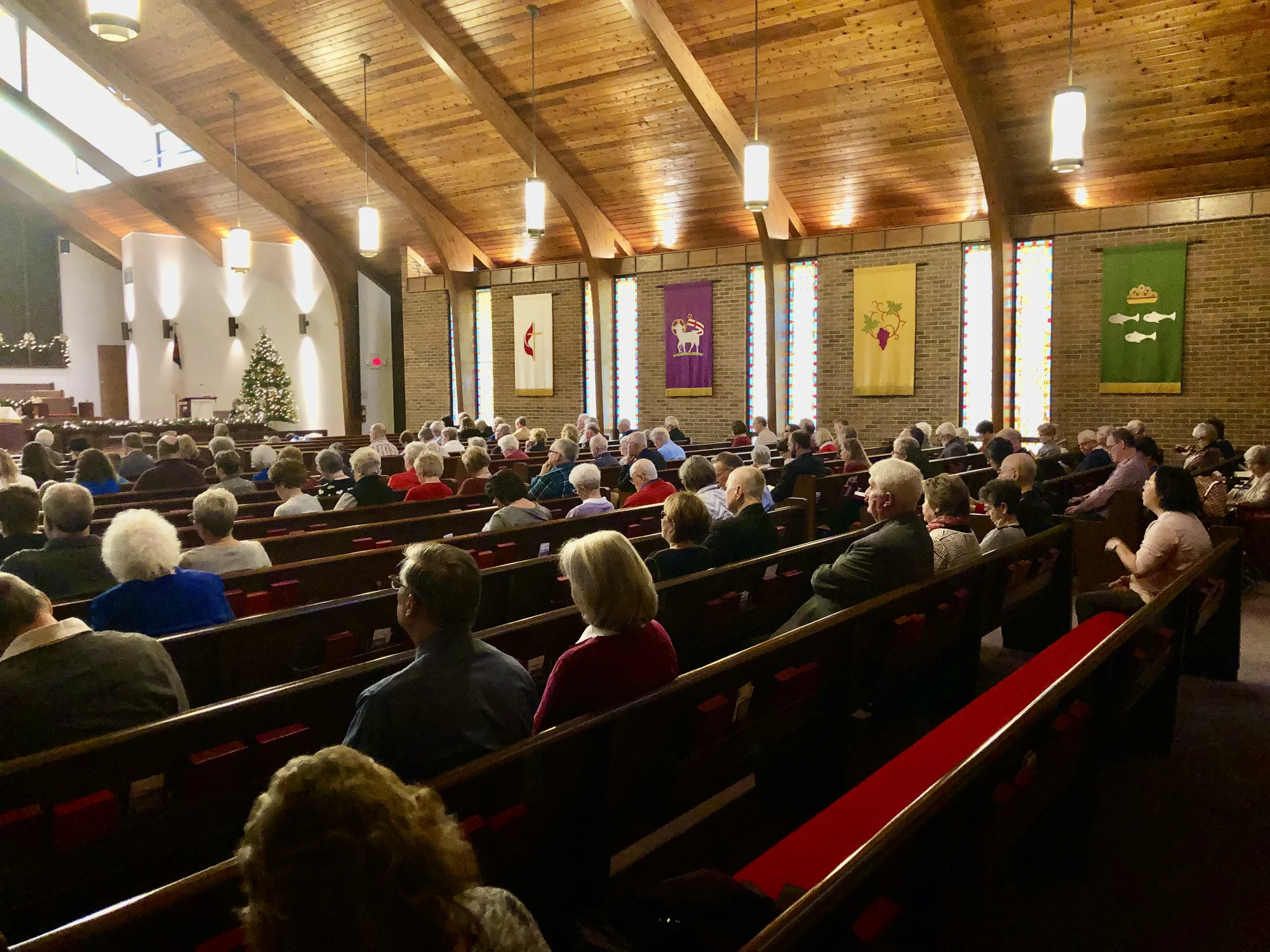
    People gathered for worship at Faith Community
    Our congregation gathered in worship.

Explore our history

This timeline draws on Faith Community’s church history, Greene County Archives’ history of Trinity, and the 1908 Greene County history. Early organization and meeting places: Robinson’s 1902 History of Greene County, page 166. Further reading: Robinson, pages 167–168 and Dills’ 1881 county history, Methodist and Trinity accounts. Historical images credited in their captions.

A note on the earliest dates: The histories distinguish an 1808 circuit appointment from formal organization recorded in 1813. Neither establishes an exact location for the first 1808 gathering. Bonner’s cabin south of Xenia is documented in the Union congregation’s history, but its exact site and its use by First Methodist in 1808 are not established. First Methodist’s brick meetinghouse accepted in 1816 is documented.

COME AS YOU ARE

Your next Sunday starts here.

A familiar face or a first-time guest. There’s a place for you at Faith Community.

Start Here